How to Find Comfortable Senior Apartments That Feel Like Home
When my mother started looking for her next move, the first thing she said was, "I don't want to end up in a hospital with carpet." It was a joke, but it held real weight. She wanted a place that felt like a home, not an institution. She wanted quiet mornings, a kitchen she could navigate, and neighbors she could actually talk to. That search taught me a lot about what makes for comfortable senior apartments, and what separates a true home from a place you just tolerate.
What "Comfortable" Really Means After 70
Comfort is not just a soft couch and good lighting, though those help. For seniors, comfort is about independence without isolation. It is about having your own space, your own schedule, and your own routines, but also knowing that help is there when you need it. The best comfortable senior apartments I have seen strike that balance naturally. They give residents a private front door and a lock they control, but they also offer common areas where people gather for coffee or a card game. The hallway is not a sterile white corridor. It has artwork, maybe a window seat, and the smell of something good coming from the kitchen.
One of the biggest mistakes families make is touring apartments when they are empty. You need to see the place when it is alive. Visit during lunch or early evening. Does the dining room hum with conversation or sit silent? Are staff members greeting residents by name? Do you see people laughing, walking, or sitting in the sun? Those are the signs that the space is working for the people who live there.
Layout and Safety Without the Hospital Feel
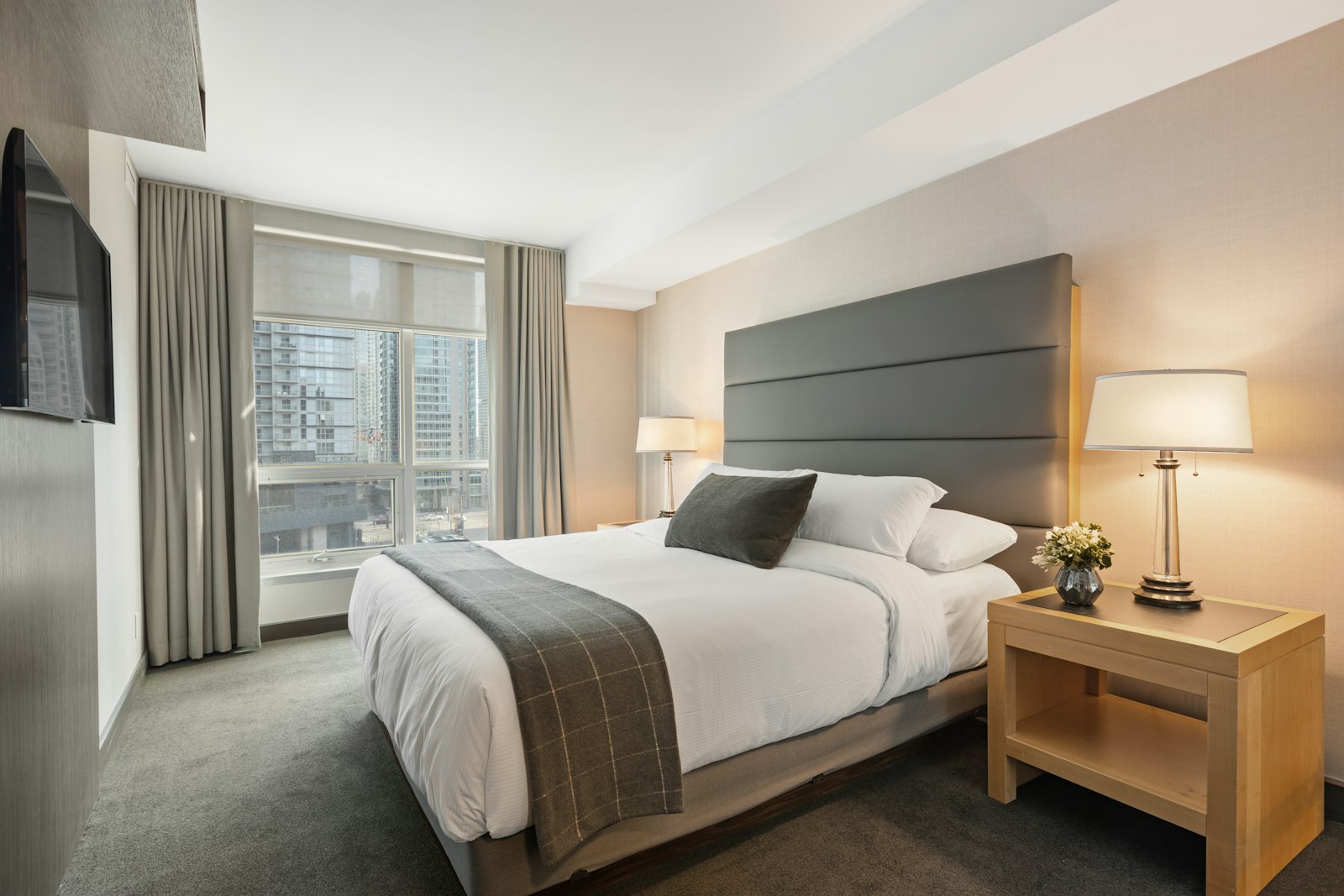
A lot of senior housing leans hard on safety features, which is important, but they can make a place feel clinical. The best comfortable senior apartments integrate safety into the design so you barely notice it. Grab bars that look like towel racks. Floors that are slip-resistant but not shiny or cold. Walk-in showers with a bench and a handheld sprayer, but no institutional metal rails. These details matter because they let someone live with dignity, not as a patient.
Lighting is another overlooked factor. Hallways and bathrooms need to be bright enough to prevent falls, but the light should be warm and diffused, not harsh fluorescent. A dimmer switch in the living room is a huge plus. It lets residents control the mood and save their eyes from glare. And windows that actually open, not just a sealed pane, make a space feel connected to the outside.
Social Life That Happens Naturally
I have visited communities where the activity calendar looked great on paper, but in practice, nobody showed up. The difference was often the physical layout. Comfortable senior apartments are designed so that casual encounters happen without effort. A small courtyard where people walk their dogs. A library nook with a couple of armchairs. A garden plot where residents can grow tomatoes or flowers. When the architecture invites people to linger, friendships form on their own.
That said, organized activities still matter. The key is variety. Not everyone wants bingo and crafts. Some residents want a book club, a movie night, or a poker game. Some want gentle exercise like chair yoga or a walking group. A good community offers options and lets residents opt in or out without pressure. The best ones also listen when residents suggest new activities. That feedback loop is a sign of respect, not just service.
Food as the Heart of Home
My mother is not a foodie, but she is particular. She likes her eggs scrambled, not runny, and she wants toast that is actually brown. I watched her push food around her plate at a few places and knew she would not last a month there. The dining experience in comfortable senior apartments needs to feel like a real meal, not a tray service. Family-style dining where residents sit at small tables and pass dishes works well. It encourages conversation and gives people a sense of occasion.
Special diets matter too. Low sodium, diabetic-friendly, pureed options for those who need them. But the food should still taste good. A kitchen that uses fresh ingredients and adjusts recipes to reduce salt or sugar without sacrificing flavor is worth a lot. I have seen residents perk up when they smell something baking, and that simple pleasure can make a place feel like home.
Staff Attitude Makes the Biggest Difference
You can renovate a building, but you cannot renovate the culture. The people who work there set the tone. In the most comfortable senior apartments, staff members know residents' stories. They know who likes their coffee black and who takes it with cream. They notice when someone is quiet and check in. That kind of attention is not something you can train into a manual. It comes from hiring people who genuinely enjoy working with older adults and giving them the time to build relationships.
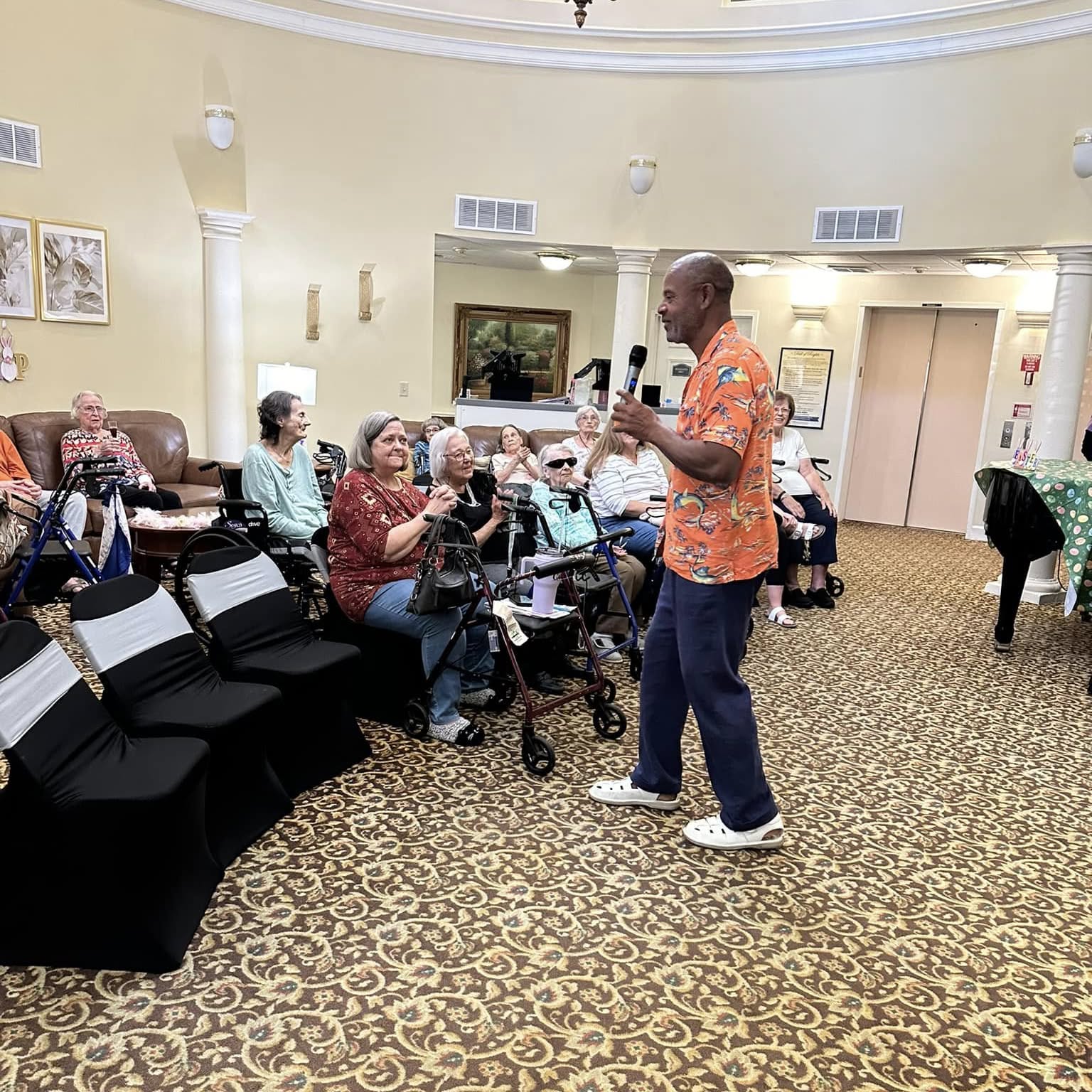
Ask about staff turnover during a tour. High turnover is a red flag. It means the workers are not happy, which usually means residents are not getting consistent care. Low turnover, on the other hand, suggests a stable team that has built trust with the residents. That trust is the backbone of a comfortable living environment.
Pets, Plants, and Personal Touches
For many seniors, a pet is not optional. It is family. Finding comfortable senior apartments that allow a small dog or a cat can be the deciding factor. Even if a community does not allow resident pets, some have visiting pet programs or a resident cat that roams the halls. That furry presence does wonders for morale. Similarly, being able to bring your own furniture, hang your own art, and plant a few flowers outside your door makes a space feel yours.
Storage is another thing to check. A lot of apartments for seniors are surprisingly short on closet space. If someone is downsizing from a house, they need room for a few keepsakes, seasonal clothes, and maybe a sewing machine or a set of golf clubs. A place that feels cramped because of poor storage will never feel comfortable.
Pricing and Hidden Costs
Comfortable senior apartments come in a wide range of prices, and the monthly rent is rarely the whole story. Ask about what is included. Meals, utilities, housekeeping, transportation, and activities can all add up. Some communities bundle them into one fee. Others charge extra for everything. A place that looks affordable on paper can become expensive fast if you need to pay separately for parking, laundry, or the meal plan.
Also ask about the rate of increase. Some places raise rent by a fixed percentage each year. Others base it on market rates, which can jump unpredictably. Knowing that upfront helps families plan long-term. The goal is to find a place where the cost feels manageable even as needs change, not just for the first year.
One Final Note
There is no perfect formula, but the common thread in every great community I have seen is respect. Respect for the resident's history, preferences, and dignity. That is what turns a building into a home. If you are looking for such a place in the Melbourne, FL area, Hibiscus Court, located at 540 E Hibiscus Blvd, Melbourne, FL 32901, USA, can be reached at +1 321-361-5997 and offers assisted living, memory care, and respite services with personalized support for seniors and their families.
Connect with us on Facebook.